
The best Dutch text to speech tool is the one that pronounces Dutch the way the Dutch actually speak it — throaty G, softened word endings and all. Most free tools fail it. We tested 7 free tools and free tiers with real Dutch sentences, ranked on voice quality, pronunciation and free limits. Start with Edge Read Aloud for listening, or a free web reader for an MP3.
Dutch has about 25 million native speakers (Ethnologue, 28th edition, 2025), most of them in the Netherlands and in Belgium's Flanders region, which makes it the third most spoken Germanic language after English and German. The catch: Dutch spelling hides its hardest sounds. The letter G is a throaty scrape, a word-final d sounds like t, and a doubled vowel quietly doubles the length — so a tool that reads letters literally teaches the wrong pronunciation with total confidence. This guide shows which tools handle the real sound rules.
Quick Answer — Which Dutch Text to Speech Tool Sounds Most Natural?
Quick Answer: For free listening, Microsoft Edge Read Aloud sounds most natural. Its Dutch neural voices, like Colette (nl-NL-ColetteNeural), pace sentences like a person. For a free MP3 with no sign-up, use a web reader such as TTSMaker — or our own TextToSpeechH, which added Dutch voices (Colette and Maarten) on 9 November 2026. For expressive long narration, ElevenLabs leads, but it leans paid after a small trial. Google Translate is a quick check, not a reader.
The 7 Best Dutch Text to Speech Tools (Tested)
| Tool | Best For | Free Tier | MP3 Download | Sign-up |
|---|---|---|---|---|
| Google Translate (read-aloud) | Quick phrase check | Free, short passages | No | No |
| Microsoft Edge Read Aloud | Natural free listening | Free in Edge browser | No | No |
| TTSMaker | Free generation with room | Free, ad-supported | Yes | No |
| Narakeet | Narrated videos and lessons | Free trial, then paid | Yes, on plans | Yes, to create |
| NaturalReader | Documents and study text | Free tier, limited | Paid | Yes |
| ElevenLabs / ElevenReader | Most expressive narration | Small trial, then paid | Yes, on plans | Yes |
| TextToSpeechH | Free Dutch in the browser (Colette & Maarten) | Free — two Dutch voices included | Yes | No |
1. Google Translate — best for a quick pronunciation check
You already have this one. Paste Dutch text in, make sure Dutch is selected, and press the speaker icon. The sentence reads back free, in seconds. Learners use it daily to check how a word like Scheveningen is supposed to sound, and nothing is faster.
The honest limits: the voice is flat, intonation barely moves, and it handles only short passages. No download, and only basic listen-speed settings. A dictionary with a voice, not your reader.
2. Microsoft Edge Read Aloud — best free voices, hiding in your browser
Open a Dutch page or document in Microsoft Edge, right-click, choose Read Aloud. The Dutch neural voices behind it — Colette is the best known — are genuinely good: a real Netherlands accent, clean pronunciation, believable sentence melody. For listening practice, it is the strongest free option most people already own.
The limits are about output, not quality. There is no MP3 export, you need Edge installed, and it reads the page in front of you, which suits articles and lessons better than your own scripts.
3. ElevenLabs / ElevenReader — most expressive Dutch, paid-leaning
ElevenLabs produces the most expressive Dutch narration here: voices that carry emotion across a long script instead of flattening out after a minute. Its reader app, ElevenReader, applies the same voices to documents and articles. For a client video or course, this is the quality benchmark.
The honest part: it is paid, with a small free allowance to test with, and Dutch is not its biggest language shelf. Do not plan a project around the free trial.
4. Narakeet — best for narrated videos in the browser
Narakeet turns a script into narrated video and audio in one place, and it lists Dutch voices among its options. If your end product is a lesson video or explainer, voice and video in one editor saves real time.
The honest limits: the free trial is a taster, not a workflow, and you will hit its limits quickly on full videos. The Dutch voices are clear narrators, not actors, which suits lessons more than drama dialogue.
5. TTSMaker — best free online option with generous limits
TTSMaker is a free website that reads text in many languages, Dutch included, and lets you download the MP3 without an account. Of the free online converters, it gives you a comfortable amount of generation before slowing you down, a reasonable default for YouTube narration on a zero budget.
The honest limits: expect a verification step first, and the site is ad-supported. The Dutch voices are clear but a step below the top neural voices on long passages. Work in scenes, not whole scripts.
6. NaturalReader — best for reading documents and study material
NaturalReader is built around reading: documents, PDFs, and web pages read aloud while you follow along. It offers Dutch voices, and the design suits students working through Dutch articles or graded readers (see our text to speech for students guide).
The honest limits: the free tier is limited, and downloads plus the better voices sit behind an account and a plan. If you mainly listen and read along, free may be enough. For files to take with you, tools 3 and 5 are simpler.
7. TextToSpeechH — our own tool, now with Dutch voices
Full disclosure, this is our site — and Dutch is brand new here. TextToSpeechH added Dutch voices on 9 November 2026: Colette (female) and Maarten (male), free in any browser with an MP3 download and no sign-up. Try them on our Dutch text to speech page, and judge them against the six tools above with your own text.
Best Overall: What We Would Actually Pick
If natural sound is all that matters, budget decides. Free, Edge Read Aloud wins: Colette reads everyday Dutch like a person, at no cost beyond having the browser. Paid, ElevenLabs wins on expression.
And our own tool can judge this race now: TextToSpeechH added Colette and Maarten on 9 November 2026 — the same Microsoft voice family Edge uses — free in any browser, with an MP3 download and no sign-up. Run the same sentence through both and trust your ears.
Best Free Dutch Text to Speech (Paste, Play, Download — No Account)
Plenty of people want one thing: paste, play, download, no account. Three tools here respect that for Dutch. Google Translate needs nothing but handles only short text. TTSMaker gives you an MP3 with no sign-up, in exchange for ads and a verification step. Our own TextToSpeechH belongs on that short list too: paste Dutch text, pick Colette or Maarten, download the MP3 — no account, no ads, no verification step.
The full free rules, with limits, live in our best free text to speech tools guide.
Best for Learners: Slow Pronunciation + Dutch Listening Practice
If you are learning Dutch — for inburgering exams, work, or everyday life — your tool needs three things: pronunciation the way native speakers say it, slow playback that stays clear, and no paywall interrupting your tenth repeat. Edge Read Aloud covers listening; a free web reader covers the repeat-and-download side.
Try it: take one short dialogue, play it slower, listen once without reading, then read along out loud with the voice. That is shadowing: you copy rhythm and intonation, not just sounds. The same method powers our Japanese text to speech guide and our Chinese text to speech guide.
Dutch Pronunciation Traps Most Tools Fail (and Which Ones Pass)
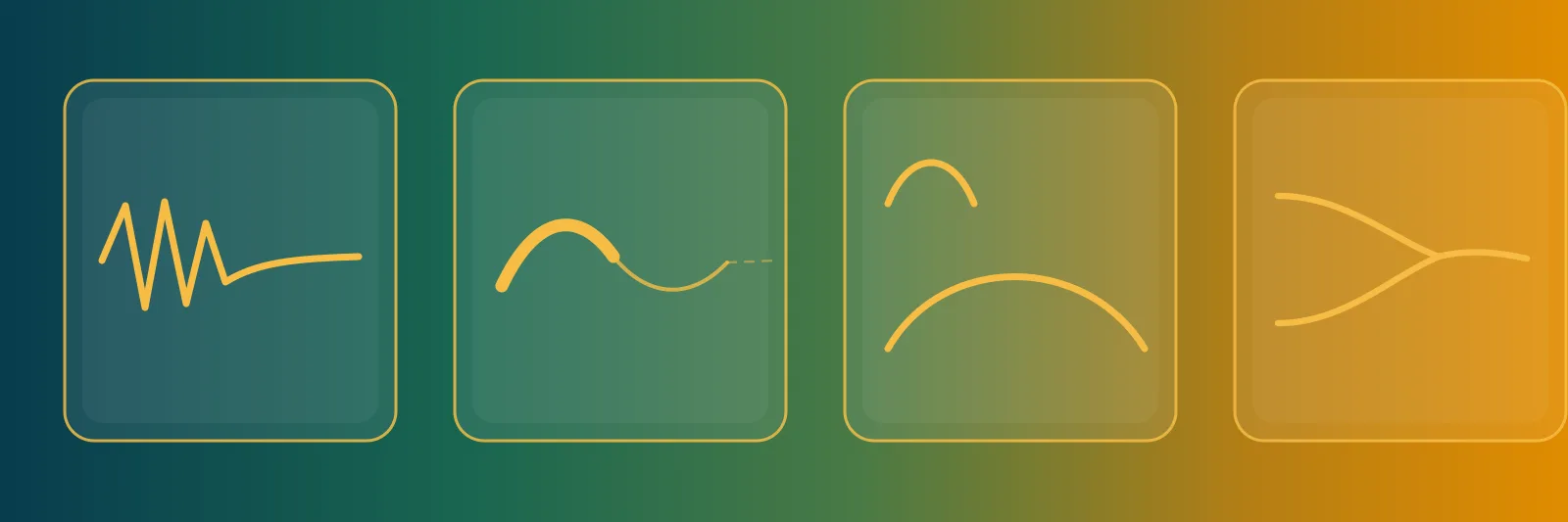
Dutch looks friendly to English readers — same alphabet, familiar words everywhere. Four sound rules cause most misreadings.
The guttural G, and the SCH that stacks on it. The Dutch g and ch are a throaty scrape from the back of the throat, nothing like the English g. Place names stack the difficulty: Scheveningen opens with sch and hides another g inside. The name is famous for it — during the Second World War, its pronunciation was used as a shibboleth to tell Dutch speakers from German ones. A voice that softens the g gives itself away in one word.
Final devoicing, where word endings harden. A written d, b, v or z at the end of a word is pronounced as its harder partner: hond (dog) is written with a d but said "hont," and web is said "wep." The spelling keeps the soft letter because related words reveal it (honden), but the sound at word end is always hard. Spelling-first readers get every sentence ending wrong.
Long and short vowels, where one letter changes the word. Dutch doubles a vowel letter to stretch the sound, and the stretch changes meaning: man means "man," maan means "moon"; bom is a bomb, boom is a tree. Whether a single vowel reads long or short depends on the syllable around it, which is exactly the context flat tools ignore.
Diphthongs that refuse to split. The pairs ij and ei are pronounced exactly the same — trein (train) and ijs (ice) share their vowel — and ui and ou glide as one sound, not two. Tools that sound out letter pairs one at a time turn huis (house) into a two-syllable stumble.
Which tools pass? The neural voices behind Edge Read Aloud and ElevenLabs handle all four reliably, because they learned from real spoken Dutch, not letter rules. Literal readers mostly read what is written. Test any tool with Scheveningen, hond, maan, and huis first.
How We Tested (Voices, Speed, Formal vs Informal Address)
We ran the same Dutch sentences through every tool: everyday statements, questions, numbers and dates, dialogue, and a longer narration paragraph. We listened for the four traps above, for pacing, and for whether slower playback stayed clear enough to shadow.
Address got its own test: Dutch is an official language of the Netherlands, Belgium and Suriname (Ethnologue, 28th edition, 2025), and a script can be formal (u, the polite "you") or informal (je, for friends and family). A good tool keeps the rhythm natural at both levels. In the open: these are listening judgements, not lab scores, and voices and free tiers change, so trust your ears over this page.
Ready to hear your Dutch text out loud? Paste it into our Dutch text to speech page and pick Colette or Maarten for a free MP3 — or open Microsoft Edge's Read Aloud on any Dutch page, or paste a sentence into TTSMaker.
Related Guides
Frequently Asked Questions
Is there a free Dutch text to speech tool?
Yes. Several solid options cost nothing. Google Translate reads short Dutch phrases aloud free, Microsoft Edge Read Aloud uses natural Dutch voices like Colette at no charge, and TTSMaker lets you paste Dutch text and download an MP3 without an account. Limits vary, but daily practice and small projects stay free.
Can Google Translate read Dutch aloud for free?
Yes. Paste Dutch text into Google Translate, set the language to Dutch, and tap the speaker icon to hear it read aloud for free. It handles short phrases and sentences well and needs no download. There is no MP3 export and the voice sounds flat on longer passages, so use it for quick checks.
Which Dutch TTS voice sounds the most natural?
For most people, Microsoft's Dutch neural voices in Edge Read Aloud, such as Colette, sound the most natural for free, with a real Netherlands accent and believable sentence melody. ElevenLabs sounds even more expressive on long narration, but it leans paid after a small trial. Test both with the same sentence before you choose.
Does Dutch text to speech help for learning Dutch?
Yes, it works well for listening practice and shadowing. Paste a short dialogue, pick a natural voice, slow it down, and repeat the lines out loud to copy rhythm and intonation. Dutch spelling hides its hardest sounds, so hearing words like Scheveningen read correctly teaches more than reading them silently ever will.
Sources & References
- W3C Web Accessibility Initiative — "Audio Content & Video Content" text-to-speech guidance: www.w3.org/WAI/media/av/av-content/
- Wikipedia — Speech Synthesis & Speech Recognition: en.wikipedia.org/wiki/Speech_synthesis
- van den Oord et al. — WaveNet: A Generative Model for Raw Audio: arxiv.org/abs/1609.03499
- Shen et al. — Natural TTS Synthesis by Conditioning WaveNet on Mel Spectrogram Predictions (Tacotron 2): arxiv.org/abs/1712.05884
- Google — Neural Text-to-Speech & AI Overview documentation: cloud.google.com/text-to-speech